Senior Safety Tips for Preventing Falls at Home
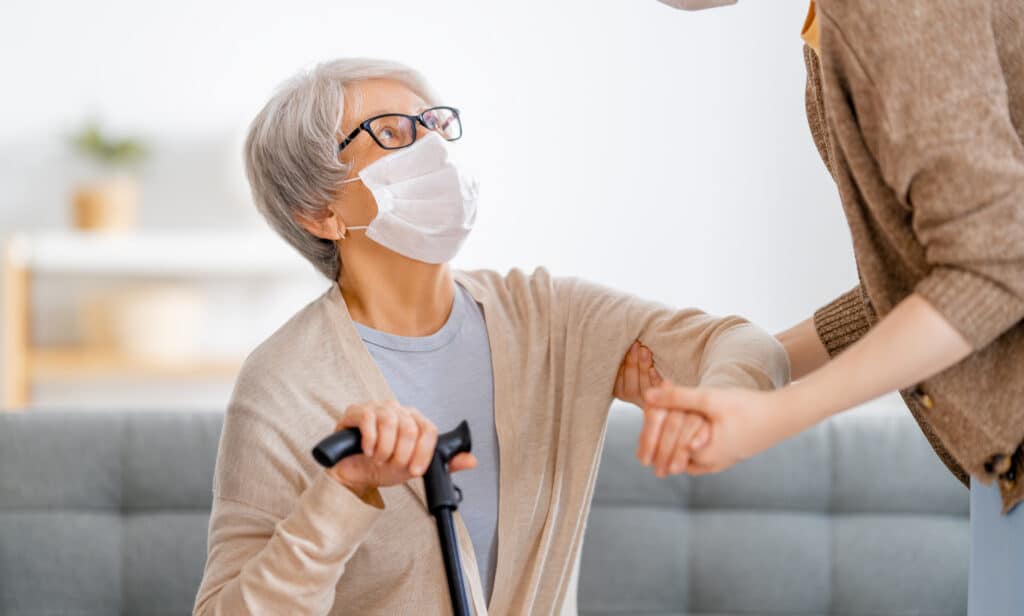
For adults age 65 and older in the U.S., falls pose one of the greatest risks of injury and death. According to the Centers for Disease Control and Prevention, over 14 million older adults report falling each year nationwide, with more than a third of falls causing injuries that require medical attention, hospitalization, or activity restrictions.
In recent years, the fall death rate for older adults has increased significantly, and falls are the leading cause of injury-related death for people 65 and older. Non-fatal falls can also result in long-term disabilities that significantly affect seniors’ quality of life.
What Are the Most Common Causes of Falls for Seniors?
Some of the most common causes of falls for seniors include poor lighting, slippery floors, and muscle weakness. Fortunately, many falls are preventable, especially at home. The best way to stay safe and reduce fall risk for seniors is to address risk factors such as medications, poor strength, poor balance, and unsafe home environments.
Top Senior Safety Tips for Preventing Falls at Home
Many falls involving seniors occur at home, where adults tend to move around without much thought about safety. Some small changes at home can make a big difference in reducing fall risk and helping ensure older adults’ safety. One of the most important tips is to keep a landline or well-charged phone easily accessible with emergency phone numbers close by. The CDC also offers a printable checklist for identifying and fixing hazards in senior living spaces.
By removing clutter and obstacles, installing mobility aids, ensuring adequate lighting, and keeping floors free of slip hazards, seniors and their loved ones can feel safer at home and reduce the risk of falling.
Remove Clutter and Obstacles
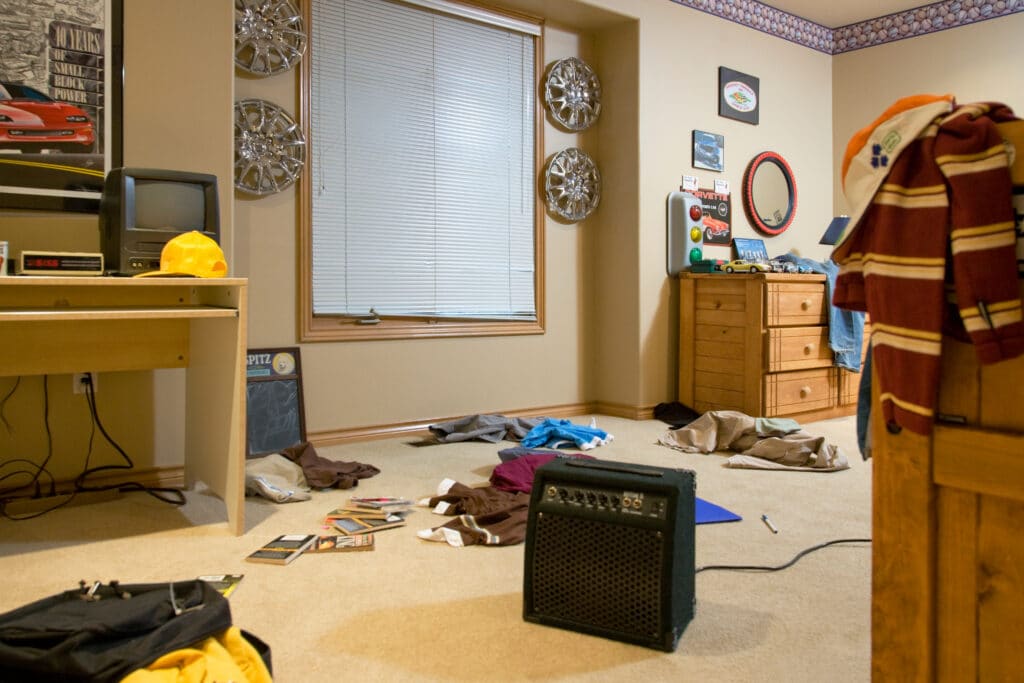
Removing clutter and obstacles in the home is crucial to preventing falls. Clearing walkways, removing tripping hazards like rugs, cords, and furniture, and maintaining clear paths is essential. When possible, arrange furniture away from walkways, and keep walkways clear and tidy—especially near stairs. Outside, keep areas like the yard, deck, or porch clear of debris. Additionally, if you have pets, know where they are when standing or walking so they do not pose a trip hazard.
Install Grab Bars and Handrails
Installing mobility aids such as grab bars and handrails in key areas like bathrooms or stairways is another excellent preventive measure for older adults at home. Ensure there are handrails on both sides of any stairs and use them even when carrying something, and consider installing a grab bar near the front door for balance while locking or unlocking it.
Ensure Adequate Lighting
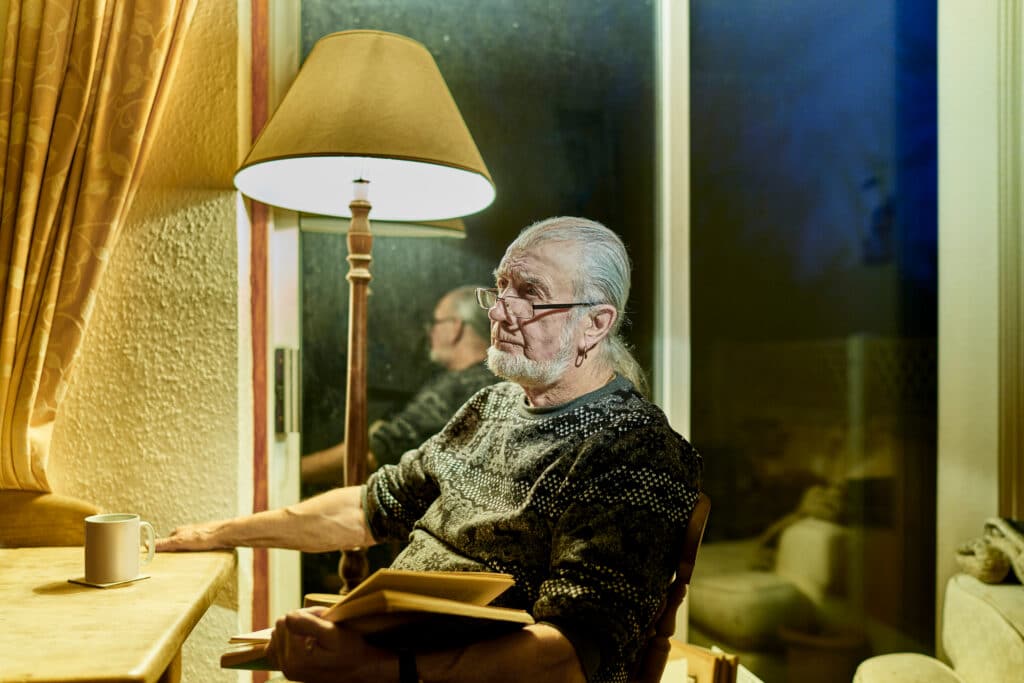
Good lighting in hallways, bathrooms, and stairways is crucial, as poor lighting can easily lead to falls. Consider placing motion-activated lights on stairways or in long hallways, and keep night lights and light switches near the bed. In case of a power outage, keep a flashlight near the bed, too. If you have a porch light, turn it on preemptively if you leave during the day but plan on coming home after dark.
Non-Slip Rugs and Flooring
Using non-slip mats or rugs with slip-resistant backing or non-slip flooring options like vinyl or rubber in bathrooms and kitchens can help make a senior’s home safer. First, check that all carpets are securely fixed to the floor so they won’t slip. Then, apply no-slip strips to tile and wooden floors, and add non-slip material to outdoor steps. Avoid using throw rugs or small area rugs, and don’t walk on slippery floors that have just been cleaned. In winter, treat walkways with an ice melt product or sand to reduce slipperiness.
Wear Supportive Footwear
Well-fitting shoes with non-slip soles that provide proper support are crucial to reducing seniors’ fall risk. When possible, avoid slippers or shoes with loose-fitting heels, as they can impair balance and increase the risk of slipping.
Bathroom Modifications to Reduce Fall Risk for Seniors
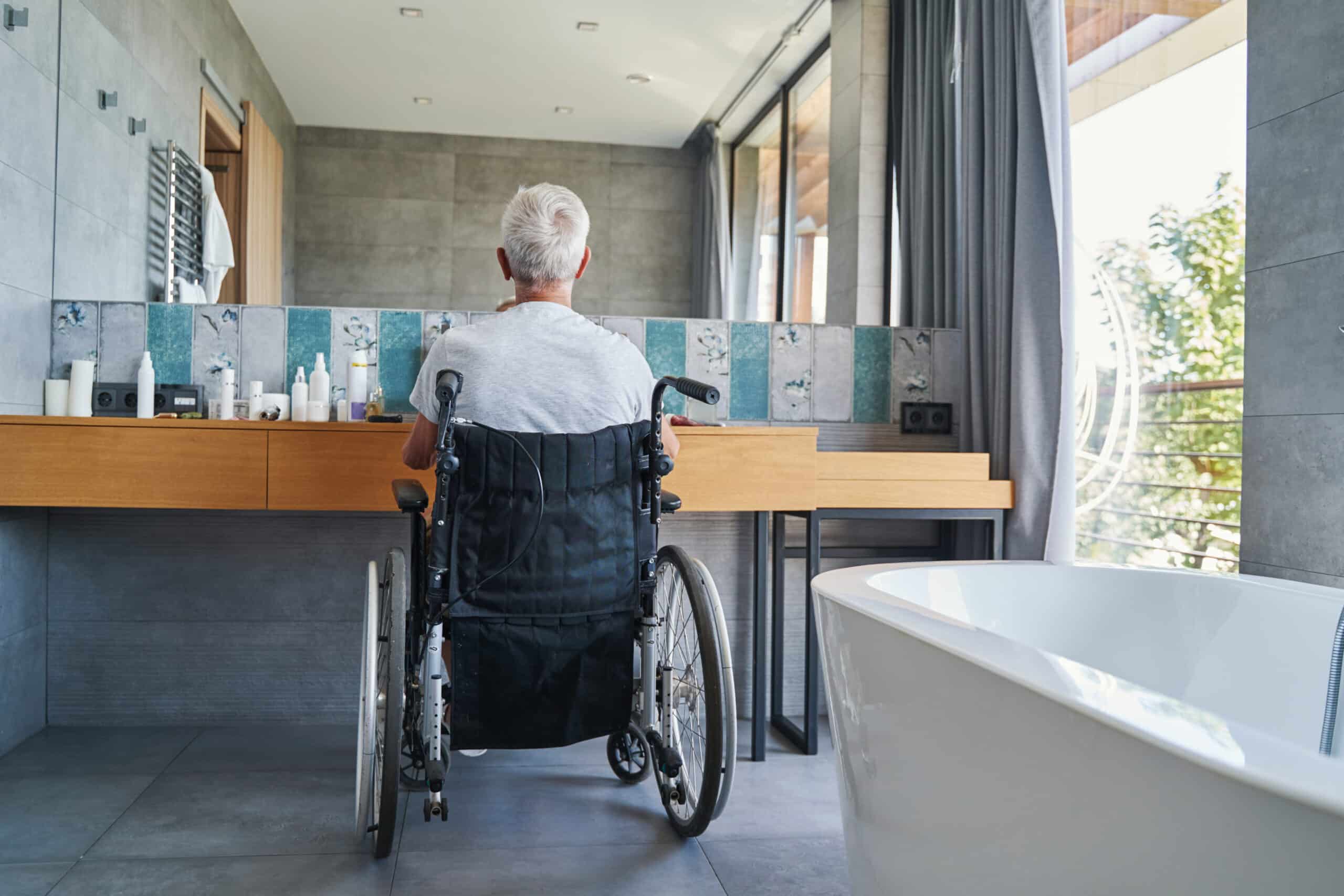
Installing walk-in tubs, shower chairs, and raised toilet seats can reduce the risk of slipping in the bathroom. Additionally, you can mount grab bars near toilets and the tub and shower, and place nonskid mats, strips, or carpet on surfaces that may get wet. Leave a light on in the bathroom at night to avoid slipping in the dark.
Health and Fitness Tips for Fall Prevention
As a senior, maintaining your physical health and strength can significantly reduce the likelihood of falling. This can be accomplished by staying active with light physical activity, getting regular health checks, and hiring a caregiver if necessary.
Get Regular Vision and Health Checks
Seniors should get regular vision and health exams, as well as check for medication side effects that can impair balance or alertness. Ensure hearing aids and other medical devices are properly adjusted.
Stay Active
Engaging in regular physical activity, such as walking, yoga, or tai chi, can help seniors maintain balance, strength, and flexibility, lowering their risk of falls.
How Caregivers Can Help Prevent Falls in Seniors
Caregivers can make a significant difference in a senior’s fall risk. Having someone else in the home who can easily reach high objects, clean up spills, and make adjustments so frequently used items stay within reach can be helpful. Caregivers can also monitor seniors so they receive medical attention immediately if they fall.
Monitor and Assist with Mobility
Helping seniors walk, especially if they have mobility issues or need assistance moving from one area to another, is an essential task for caregivers and can significantly reduce fall risk.
Encourage Proper Nutrition
Proper nutrition can contribute to better bone and muscle health, making seniors stronger and less prone to falls. Caregivers can prepare or suggest nutritious meals that provide protein, vitamins, and other nutrients to keep seniors as healthy as possible.
Create a Fall Prevention Plan
It can be helpful for caregivers to develop a personalized fall prevention plan for the seniors they care for. This may include regular check-ups, medication reviews, and home safety assessments. You may also consider installing an emergency response system, like a necklace or bracelet, to easily alert 911 in the event of a fall.
Keep Your Loved Ones Safe from Falls at Home
Physical changes, health conditions, and shifts in mental acuity increase the risk of falls among seniors, but adapting their home to be as risk-free as possible can give your family peace of mind. Take action to protect your older loved ones today by applying these safety tips in their homes and staying informed about their health.